The Fungi of Vermont Program
Understanding fungal diversity in our state

Understanding fungal diversity in our state
Among these many roles, fungi are responsible for decomposing ‘challenging’ molecules and cycling nutrients throughout ecosystems. Their role in maintaining healthy forest ecosystems cannot be overstated—fungi provide vital nutrients to over 95% of earth’s vascular plant species through coevolved mycorrhizal relationships.
Despite our growing understanding of fungi’s significance, we have scientifically defined and described only about 5% of the fungi estimated to be present on earth.
Clearly, we have some catching up to do—and we could use your help!
The Fungi of Vermont Program is a Community Science-driven initiative to document and further study the diverse macrofungi present within the different bioregions of Vermont. Through this data we hope to better understand the breadth of species at work within the Green Mountain State.
The State of Vermont Fungal Scientific Advisory Group (Fungal SAG) and other contributing mycologists and researchers are using this data to 1) develop our understanding of fungal diversity within the state, 2) document rare macrofungi, and 3) inform conservation policy through the inclusion of fungal indicators in assessments of ecosystem health. This information will also contribute to regional databases as well as the collective understanding of fungi globally.
To contribute to this statewide project all you need is a camera or smartphone and access to the internet. From there, you can choose the level at which you would like to be involved. To get started, follow the instructions below! If you have any questions please feel free to reach out to NBNC Teacher-Naturalist Dave Muska.
Continue to the next tab to learn how to begin contributing to the project!
Now it’s time to collect and submit some mushroom observations!
Step 1: Take Photos
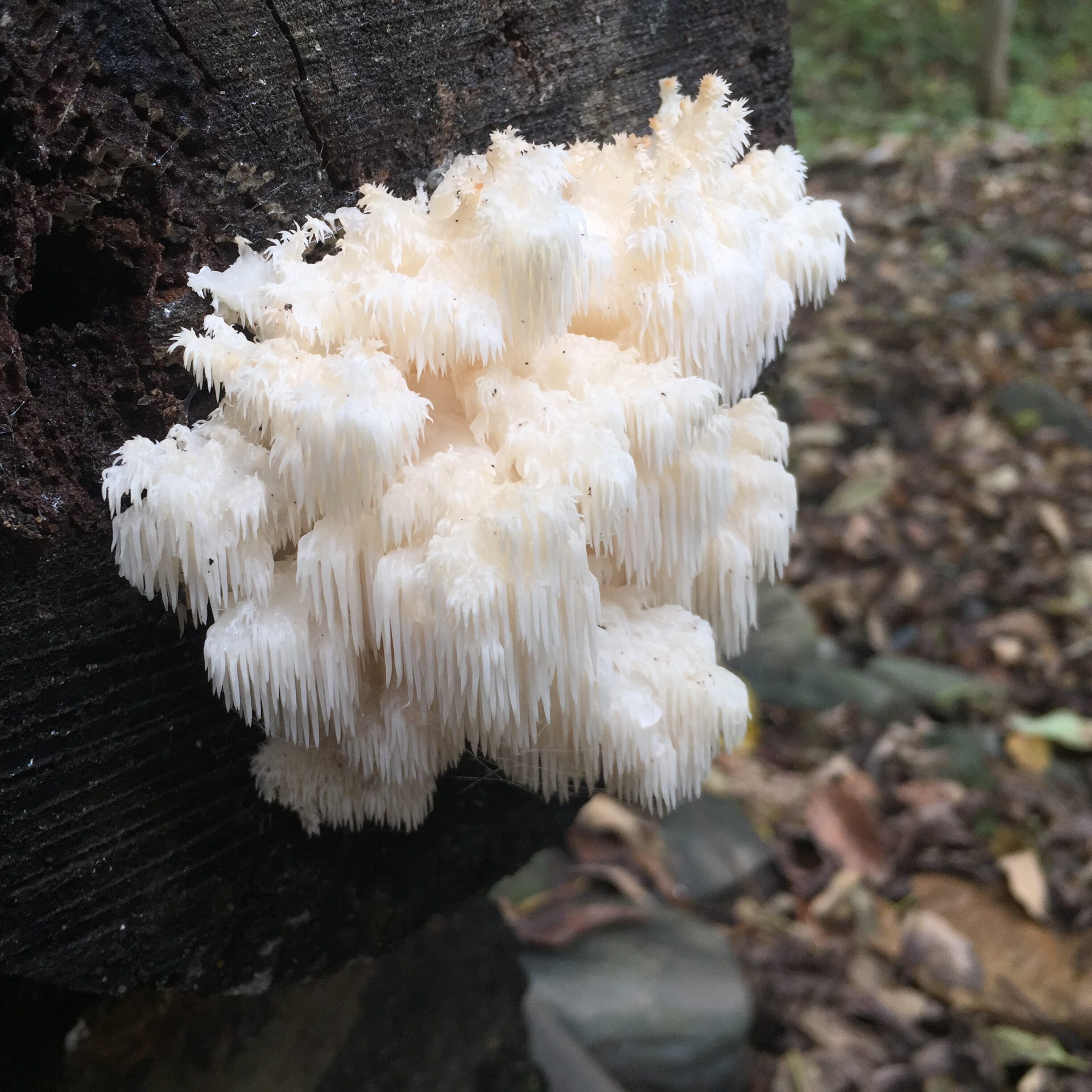
Find a mushroom and take a set of photographs. You will need several clear and sharp images of the following parts of the mushroom in order for the observation to be identifiable and verifiable:
Step 2: Upload Photos to iNaturalist
Photos may be taken and uploaded directly into the iNaturalist app from the field using your smartphone, or uploaded at a later date on a desktop if using a camera. Once your observation is uploaded, it will be automatically added to the ‘Fungi of Vermont’ iNaturalist project.
iNaturalist has a collection of Video Tutorials to help new users.
That’s it! This is the most basic way to contribute to the Fungi of Vermont Program. But if you’re ready for more, see the next tab.
In the description field in your iNaturalist observation, please include as much information as you can about your mushroom, such as the following:
In many cases, this sort of additional information is critical to confidently identify fungi. In some cases, new fungi are still being discovered and described thanks to this sort of information. The more detail you’re able to provide, the better!
Once you’re comfortable with this process, you can opt to contribute to the Fungi of Vermont Program at the highest level by collecting voucher specimens—see next tab.
Once you’ve submitted your detailed observation to iNaturalist, you can follow these next steps for preservation and storage if you are interested in contributing a voucher specimen for later research and genetic sequencing.


"Knowing that you love the earth changes you, activates you to defend and protect and celebrate. But when you feel that the earth loves you in return, that feeling transforms the relationship from a one-way street into a sacred bond."
— Robin Wall Kimmerer, Braiding Sweetgrass