
Vermont Master Naturalist
Winooski Headwaters Chapter

Winooski Headwaters Chapter
“Advancing conservation, building community, and connecting Vermonters to the wild heart of place”

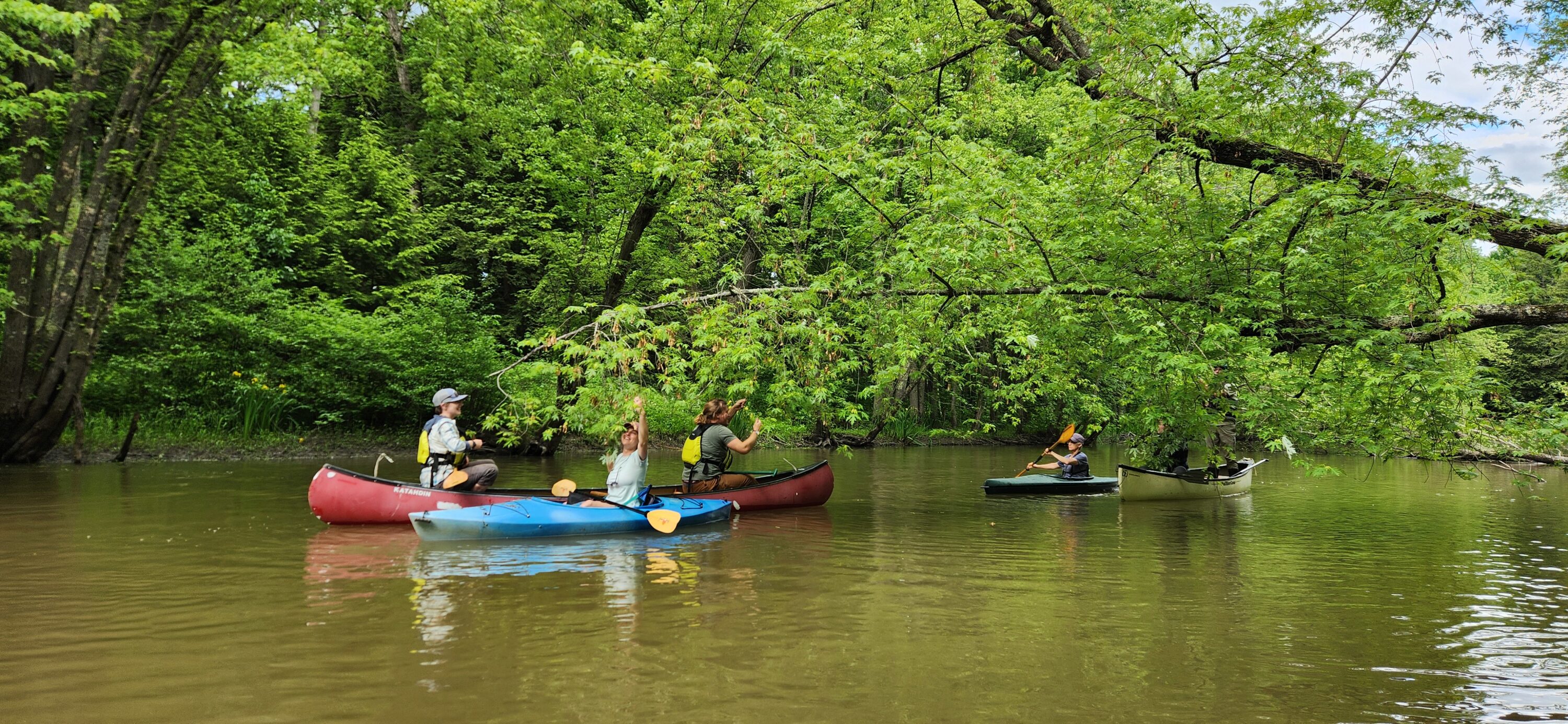


VMN participants learn to interpret the layers of the local natural landscape, then apply that integrated training to long-term stewardship and ambassadorship of local natural areas. Master Naturalists become important conservation resources in our communities and schools.

Participants are chosen by application process, and are selected based on interest and commitment to local conservation. Candidates often have experience in some area of nature study, but there are no prerequisite skills or qualifications. Trainings are designed and instructed by NBNC, VMN, and other visiting experts.

Candidates will investigate and integrate layers of the physical, environmental, and cultural landscape such as: geology, soils, botany, wetlands, forest ecology, wildlife, human land use history, and natural processes like wind, fire, and succession. Each VMN candidate will also select an independent practice chosen to deepen their naturalist skills, such as wilderness awareness, sketching, photography, birding, etc. The six trainings will explore conservation history and management issues related to each site. Please see the training schedule below.

Three full weekends in May, June, and July, from 9 am – 4 pm Saturday and Sunday, plus additional project service hours to be completed over the calendar year. Students are expected to attend each session, though alternative arrangements can be made in case of extenuating circumstances.

Concurrently to the core training season, candidates will complete 16 hours of ecological stewardship with NBNC’s Conservation Nursery. Upon completion of the program, students continue to support the local community, while receiving continued mentorship in their future naturalist endeavors.
Anyone residing or working in Central Vermont or within the Winooski River Watershed may apply. Candidates in regions of Vermont without a VMN chapter are also welcome to apply. Please contact us if you’re not sure. Candidates must be able to attend all field sessions. Arrangements can be made in the event of unexpected absences.
Cost: One-time enrollment fee of $825 due upon acceptance in the program, or paid on a schedule arranged between NBNC and the participant. Generous financial support is available! We do our best to ensure that participants are not turned away for financial reasons. Those requesting financial support in their application will be contacted after the cohort is selected with instructions for accessing aid.
Applications are accepted on a rolling basis, but the cohort is usually selected by early February.

This program qualifies for 40 professional development hours or CEUs. Graduate credit may be available for teachers. Please contact us to inquire.
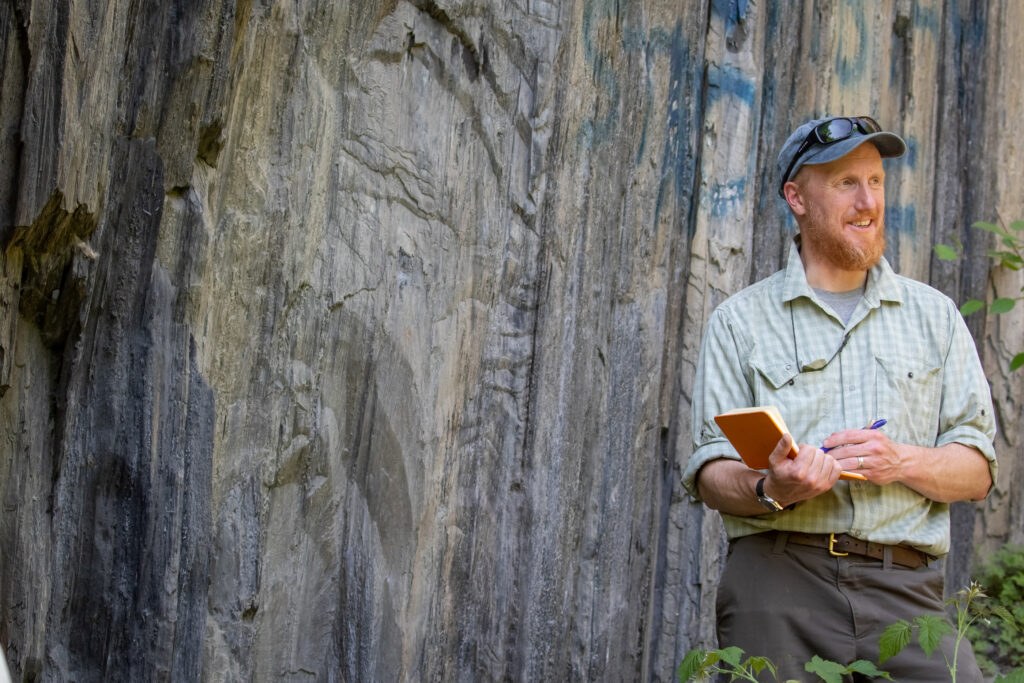
Our first weekend together explores the landscape underfoot. From topography to glaciers to bedrock, we’ll investigate 500 million years of Vermont history, and discover how ancient events shape our landscape today.
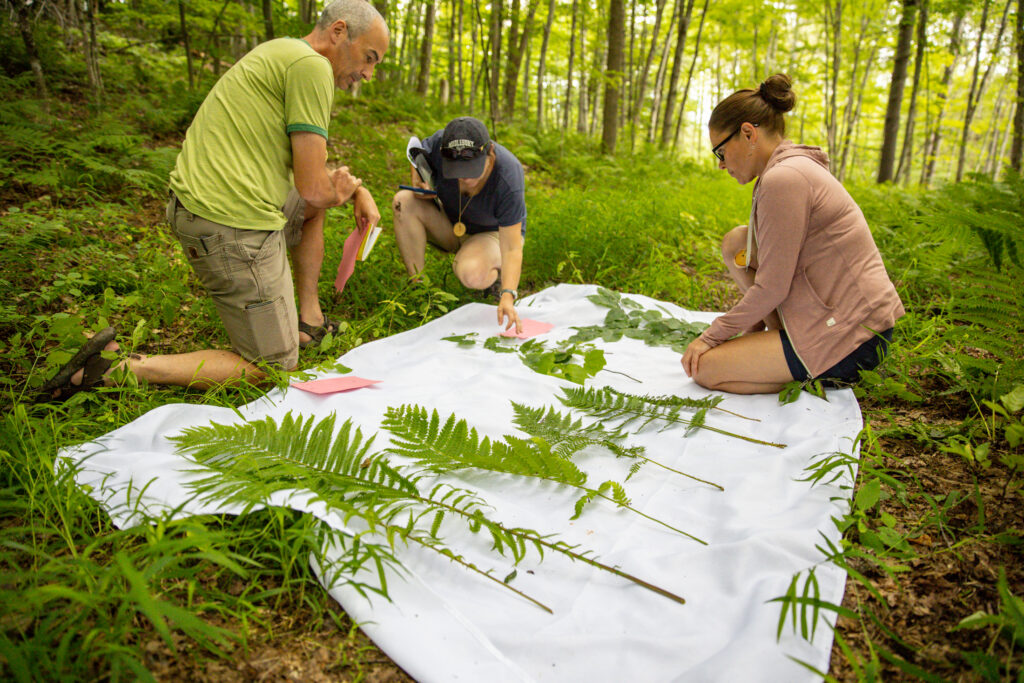
Our second weekend together focuses on botany and wildlife during a time of year when species diversity is at its finest. We’ll meet plants, trees, birds, and bugs of particular ecological significance, and tie their life histories back to the geologic processes investigated previously.

Water is a key architect of Vermont landscapes, and we will spend the day exploring how different hydrological settings yield different wetland ecosystems, from forested swamps to ponds to bogs. Our final day together explores how the last four hundred years of human disturbance have impacted our wild landscapes.
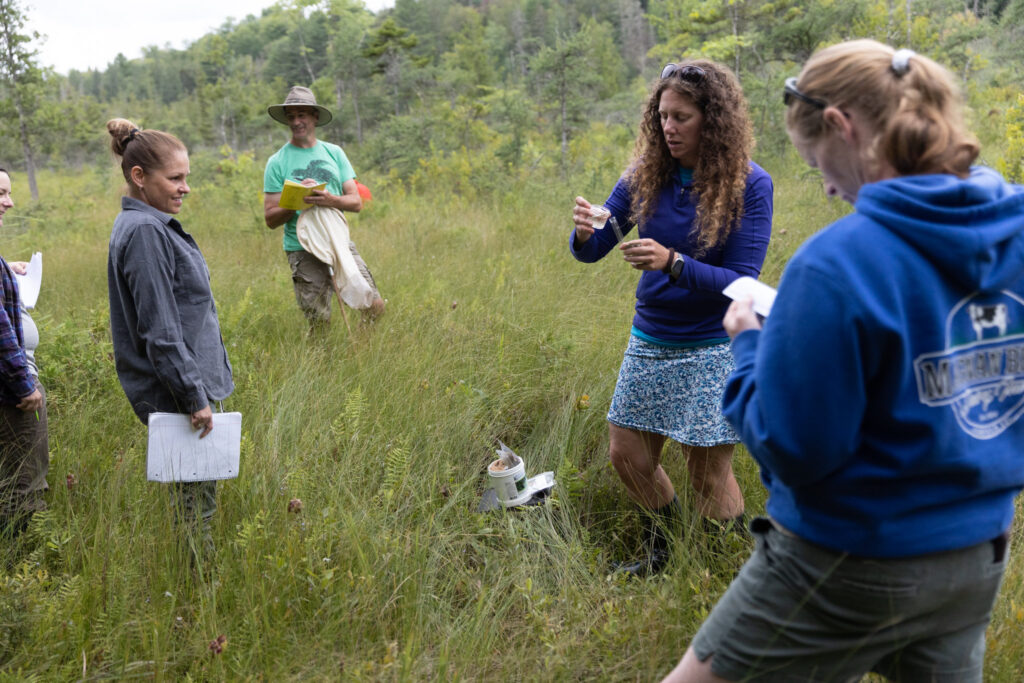 This unique collaboration between North Branch Nature Center and Vermont Master Naturalist is a place-based, integrated training in interpreting the local landscape and applying that training to the 5th-12th grade classroom and curricula. Each day immerses in a different ecosystem, exploring the pieces, patterns, and processes driving local ecology. We’ll practice field-based activities and classroom-based extensions aligned with Next Generation Science Standards and Proficiency-Based Learning frameworks. This course will next be offered in summer 2027.