
2026 Educator Institute
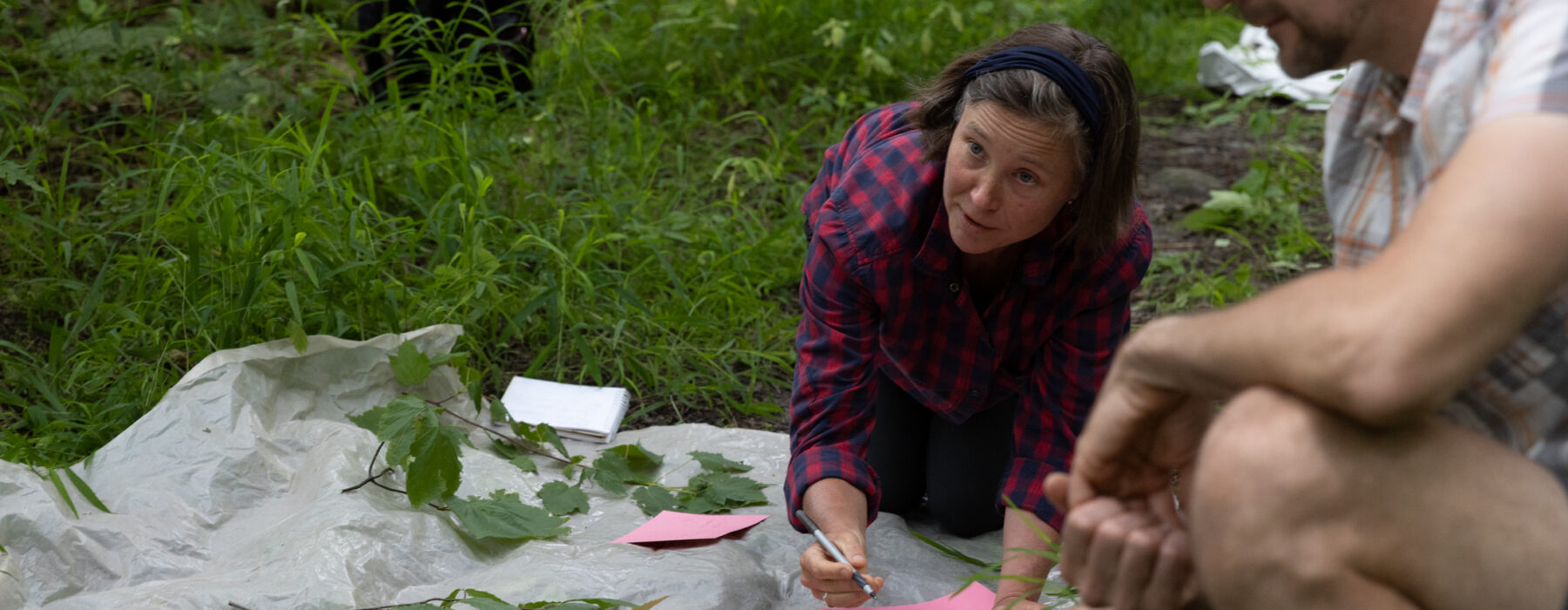
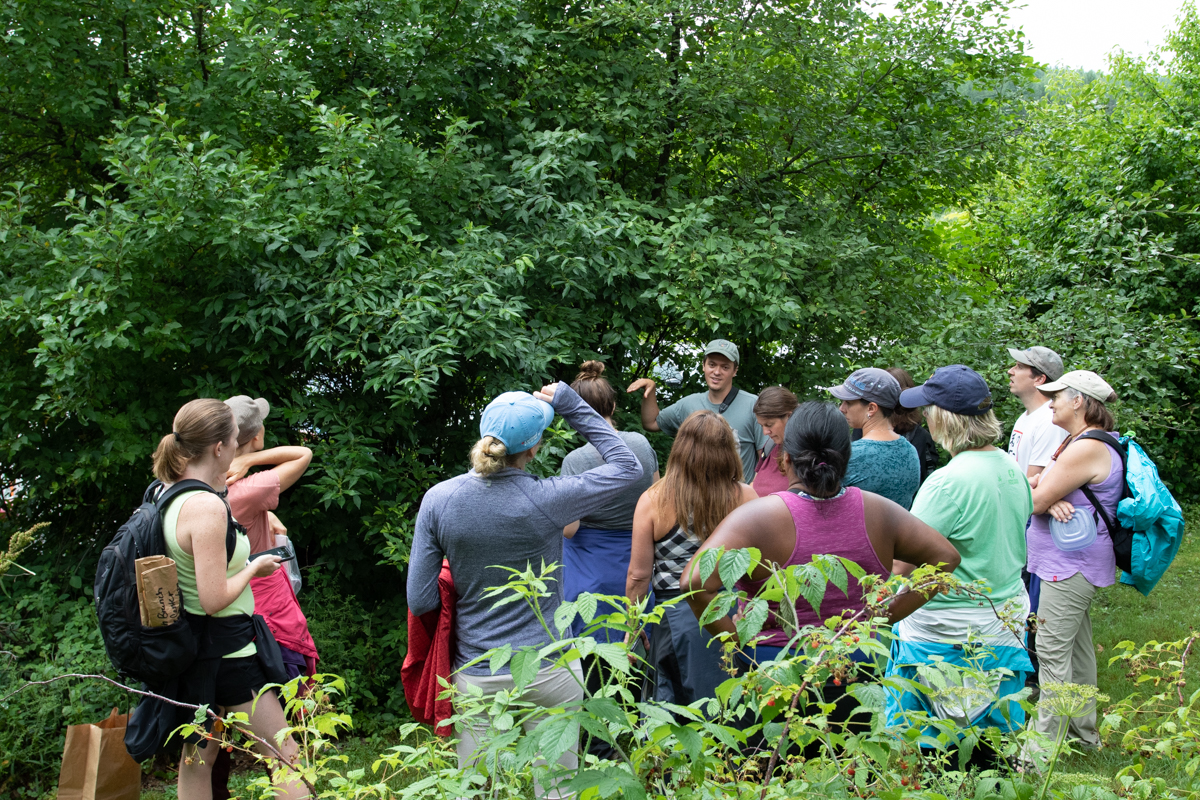
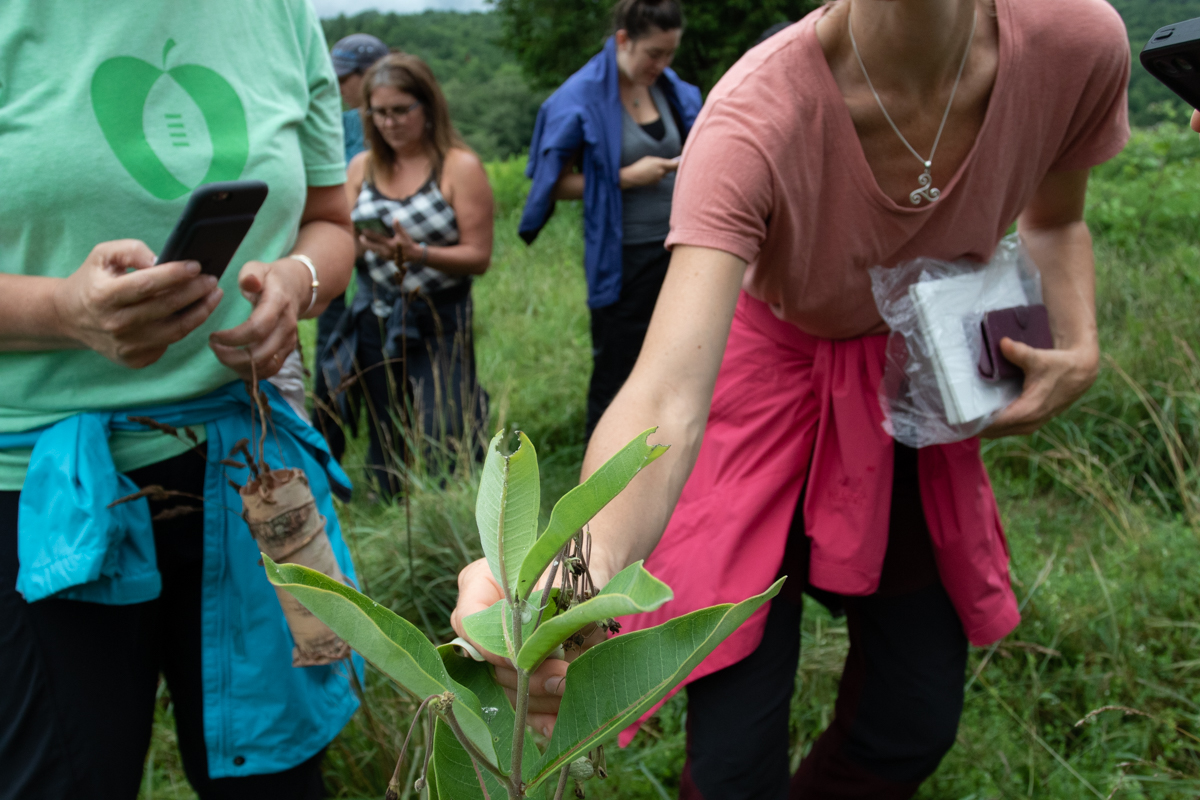

 This course is about developing a foundation of natural history knowledge through immersive study of bird language, tree and plant identification, wild edible safety, geology, and stream ecology. We will practice techniques for achieving a deeper level of inquiry and observation in nature while learning hands-on methods for embedding this knowledge into outdoor lessons and making classroom connections. The routines that we build throughout the week are designed to deepen your class’s sense of place within the outdoor learning environment.
In this week-long practice of place-based curriculum we will use a daily rhythm of core routines and deep observation practices to build a deeper relationship with nature. This daily rhythm mirrors the experience of elementary students during a typical day of ECO (Educating Children Outdoors). Participants will close the week envisioning integration of these methods and practices into their student’s experience. All lessons given to participants for use in their classroom will be aligned to Vermont State Standards, Common Core and NGSS when applicable. Curriculum meets elementary standards-based objectives when lessons and units are practiced outdoors.
Ken Benton is the North Branch Nature Center (NBNC) Director of Education and has been with NBNC since 2012. In that time, he’s worked with hundreds of educators throughout central Vermont and beyond to bring their students outdoors.
Dave Muska is a Teacher-Naturalist with NBNC. In addition to being one of NBNC’s veteran ECO teachers, Dave also instructs naturalist courses for participants of all ages on topics ranging from mycology to wildlife tracking to wilderness skills to nature awareness.
North Branch Nature Center is a nationally recognized leader in nature-based education for children and adults. Our place-based and inquiry-based philosophy recognizes nature as our most dynamic, enriching, rigorous, and inclusive classroom. Healthy, inspired learning and development depends on immersive, curiosity-driven nature exploration, cultivated by expert teaching and mentorship. From our acclaimed Forest Preschool and Educating Children Outdoors (ECO) flagship programs, to our summer camps, community workshops, and professional institutes, NBNC offers a lifetime of learning and growth through deepened connections with the environment.
This course convenes Monday through Friday from 8 am to 4 pm at Vermont Commons School in Charlotte, Vermont. Exact timing will be communicated as course approaches. Participants should bring their own water, lunch, and snacks. Onsite lodging or camping is not available.
This course qualifies for 3 graduate-level education credits through Vermont State University for an additional $450 course fee. For students transferring credit to another institution, it is each student’s responsibility to ensure that their home institution will accept the credit. Participants pursuing academic credit will be required to complete a final project and additional assignments focused on curriculum development. The final day of the course will include time for beginning this project.
All participants qualify for 40 hours of professional development hours and Continuing Education Units. Certificates of completion are provided at the conclusion of the course upon request.
It is the participant’s responsibility to submit a purchase order request to their school immediately upon registration, and to provide a purchase order number and invoicing contact information to NBNC in a timely manner. Participants must have either provided NBNC a purchase order number, or made arrangements to do so, within 14 days of registration. Course tuition will be billed approximately 1 month before the start of the course. If you are paying for this course directly, we can create a billing schedule based on your needs.
While we realize that unexpected circumstances arise that are out of our control, North Branch Nature Center cannot guarantee refunds for registrations cancelled within 30 days of the course. If a cancellation occurs within this window, NBNC will, if possible, attempt to fill the space from our wait list and provide a full refund.
Vermont residents are encouraged to apply for a VSAC Advancement Grant. NBNC also has financial support available for those without access to professional development funds. Please visit our Financial Support Page to inquire about financial support.