


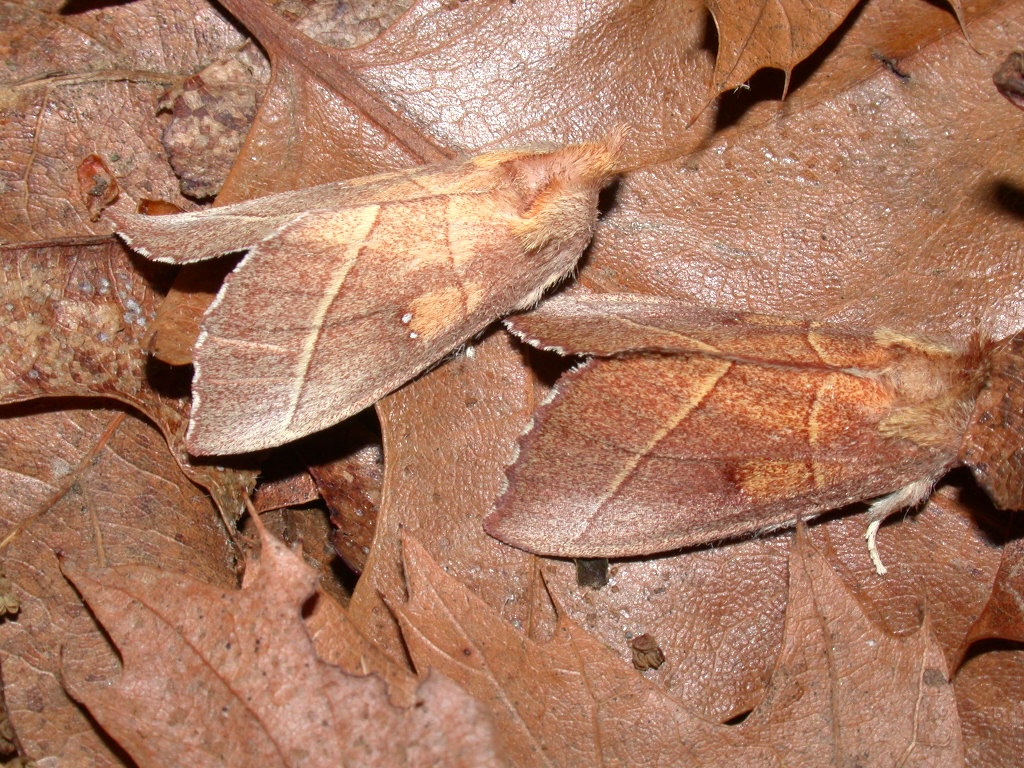

The Taxonomy and Identification of Moths
Mon–Fri July 6–10, 2026
Instructor: Hugh McGuinness & JoAnne Russo
$1200 (with lodging) / $900 (without lodging)
12 Students | Meals Included
At The Creative Campus at Goddard in Plainfield, VT

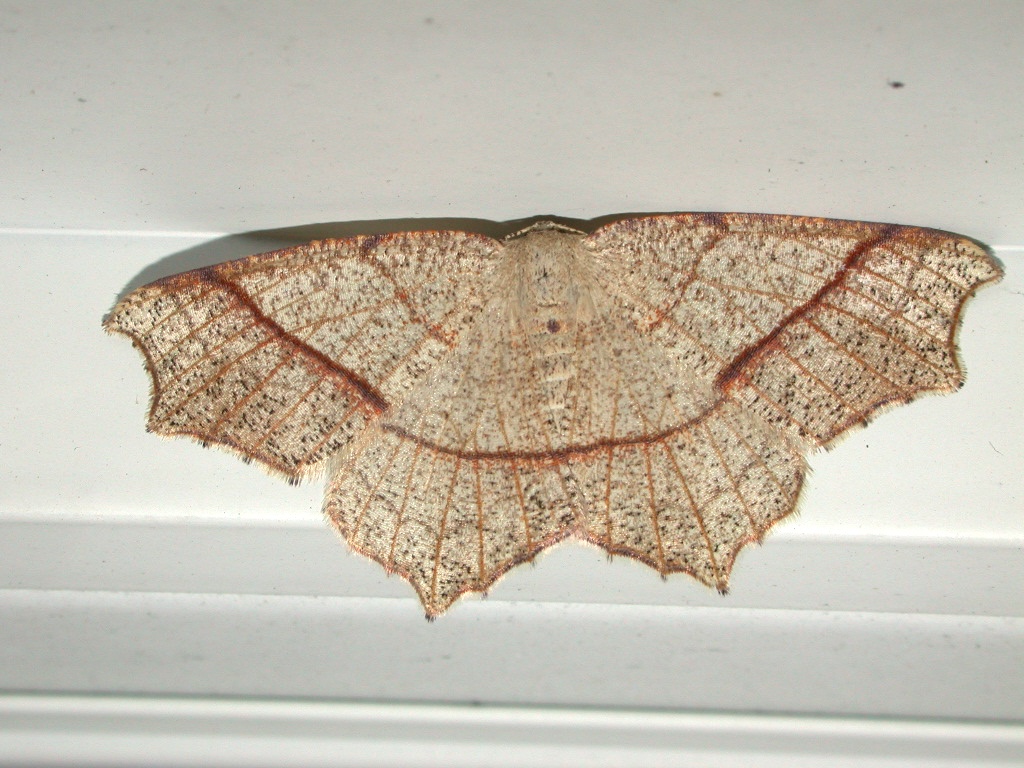
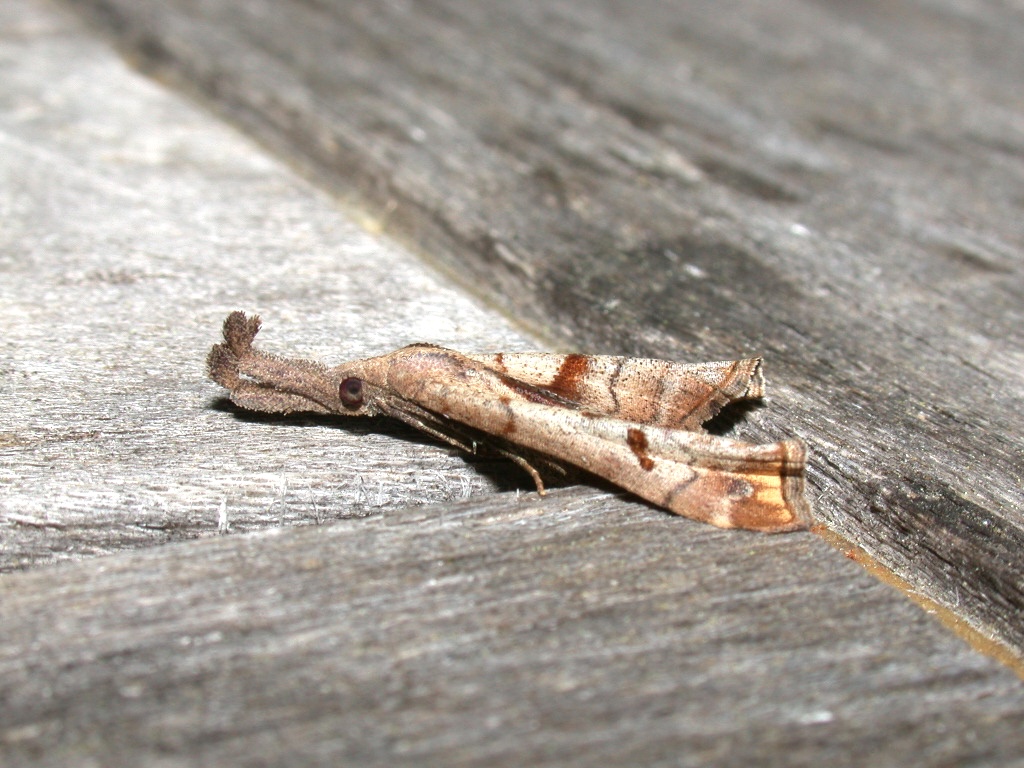
This five-day seminar will provide an intensive immersion into the study of moths. Our methods include lectures about the taxonomy, evolution and anatomy of moths; hands-on lab work including traps sorts, dissection, and specimen preparation; and night-time identification at lights. Depending on student interest, we can also include day-time field trips to look for larvae and diurnal Lepidoptera.
This course aims to give participants a complete range of skills — from visual identification to dissection — for succeeding with learning Lepidoptera. We also value flexibility and our course is designed to be responsive to the interests of participants. With two instructors, we will be able to split into different working groups during the course of the day.


Course Details
Goals and Objectives
- Provide a general overview of the evolution and taxonomy of moths
- Be able to identify 15-20 moth families by sight
- Improve identification skills both in the lab and in the field
- Develop a deeper understanding of moth anatomy for the purpose of identification
- Impart lab skills including specimen preparation and dissection (if of interest to students)
- Improve moth photography techniques to enhance identification quality of moth photos
Sample Day
Given that this course involves mostly nocturnal study subjects, our daily rhythms will vary, with lots of time for independent work. Here’s an example of what a day will look like:
- 9 am: Morning meeting to discuss the previous night’s sightings and set the agenda for the day.
- 9:30-11:00 am: Trap sort
- 11:00am-Noon: Lecture
- Noon: Lunch
- 1-2 pm: Lecture
- 2-5 pm: Workshop anatomy lab, specimen preparation, dissection, photography advice
- 2-5 pm: Field trip to look for moths
- 6 pm: dinner
- 7-9:30 pm: free time in the lab
- 9:30-11:30: Photography and specimen capture at the lights.
About the Instructor
Hugh McGuinness received his Ph.D. in Ecology and Evolutionary Biology from the University of Michigan in 1987. A former faculty member at Long Island University, he is now a Research Scientist at the Smithsonian Museum of Natural History. At the museum, Hugh has undertaken several massive curation projects in Tortricids, Pyraloids, Notodontids and Geometrids. His current research focuses on: moths as indicator species in successional habitats; the spread of introduced Lepidoptera; documenting Lepidopteran biodiversity: and taxonomic revision of several Tortricid and Pyraloid genera. He lives in Washington, DC, with his wife and his Black-and-Tan Coonhound.
JoAnne Russo, an artist from southeastern Vermont, has a passion for nature. She built her “yard list” of moth species by photographing and identifying them using online sources and field guides. Since enrolling in courses at Eagle Hill, JoAnne has become excellent at moth dissection and is now well established as an expert in certain groups of moths. She has curated collections for collectors and institutions, including the Cornell University Insect Collection in Ithaca, New York; California Academy of Sciences in San Francisco, and the McGuire Center for Lepidoptera in Gainesville, Florida. Along with Kent McFarland and others, JoAnne is completing a Checklist of Vermont Moths. She has also written scientific articles and described several new moth species.
Recommended Reading
Specific texts, field guides and readings will be suggested to match each student’s skills and objectives.
Meals
Meals are provided by the chef and kitchen at the Creative Campus at Goddard. Meals (including coffee and tea) between lunch on Monday morning and lunch on Friday are included. Dietary restrictions will be accommodated. Bring your own snacks.
Lodging
Newly-renovated, dormitory-style lodging is available from Monday though Thursday nights at The Creative Campus at Goddard. Additional nights can likely be accommodated. Participants will have their own room, with shared bathroom facilities.
Location & Timing
Course begins at 9 am on Monday at the Creative Campus at Goddard in Plainfield, VT (location). The course concludes midday on Friday. See “Sample Day” above for more details.
Physical Requirements
Participants must be able to walk 2-3 miles over the course of each day, sometimes off trail over uneven and potentially muddy terrain. Participants should be comfortable outside in potentially hot, muggy, wet, and/or buggy conditions for long periods of time. Please reach out to us if you have any questions about mobility and/or other accessibility needs.
Academic Credit & Professional Development
This course may qualify for 3 graduate-level credits for an additional $450 course fee. All BioU courses are accredited by Vermont State University’s Center for Schools. Participants interested in receiving credit must contact us immediately after registration so we have time to arrange course accreditation. It is the student’s responsibility to ensure that home institutions will accept the credit. Participants pursuing academic credit will be required to complete an additional assignment above and beyond the course hours, including literature review, reflective writing, or a field-based project.
This course qualifies for 40 hours of professional development hours and continuing education units. Certificates of completion are provided upon request at the conclusion of the course.
Cancellation Policy
While we realize that unexpected circumstances arise that are out of our control, North Branch Nature Center cannot guarantee refunds for registrations cancelled within 30 days of the course. If a cancellation occurs within this window, NBNC will attempt to fill the space from our wait list and provide a full refund. If the course needs to be cancelled by NBNC, we will provide a full refund.
Financial Support
We have financial support available for most courses! Please head to our Financial Support page to learn more and request financial support. Support is limited, but we do our best to make sure that participants are not turned away for financial reasons. Since many courses fill quickly, we suggest submitting your financial support request after registering for the course if you are able. Or you may email us after submitting your request to ask us to temporarily hold a space for you.