Birding Oregon
From the Sagebrush Desert to the Pacific Seacoast
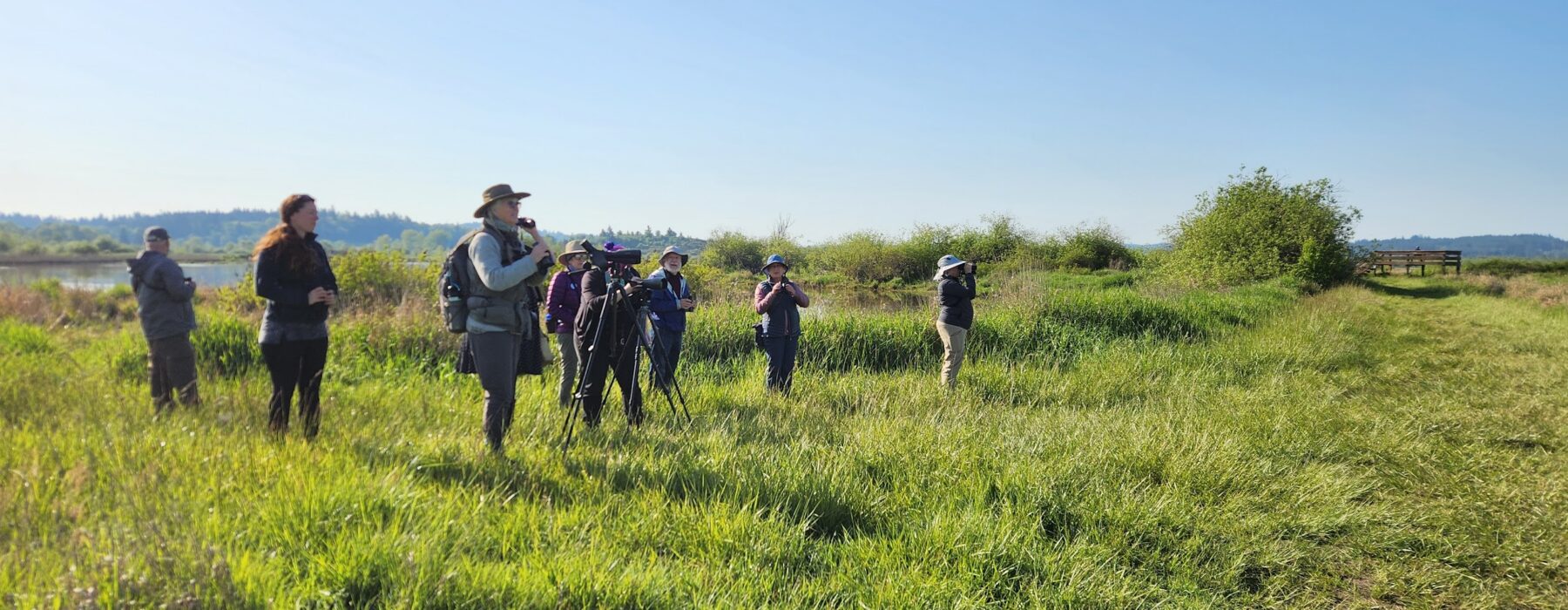
From the Sagebrush Desert to the Pacific Seacoast


$3,850 – Double Accommodations
$4,350 – Single Accommodations
7 participants max
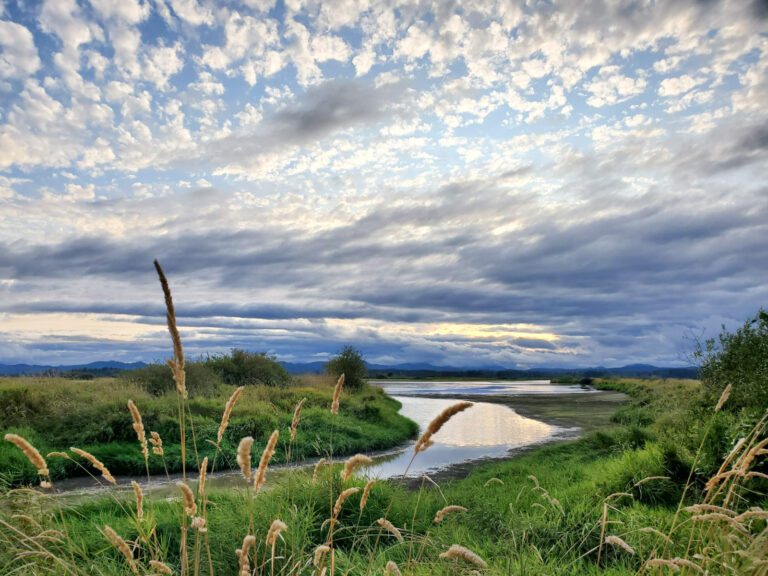 Nestled in the heart of the Pacific Flyway, Oregon is an inspiring and diverse landscape drawn from a rugged fairytale. Its dramatic coastlines, iconic mountain rainforests, and endless sagebrush deserts comprise some of the most astonishing wildlife and legendary birdwatching in North America. We’ll awaken as dawn breaks over the sage within the Malheur National Wildlife Refuge, and watch western spring migrants filter through streamside cottonwoods above wetlands thick with shorebirds and waterfowl. Over the next eight days, we’ll explore westward from the sagebrush sea, over the Cascade Mountains, and down to the temperate rainforests and craggy ocean shores, where we’ll encounter strange and wonderful seabirds not found anywhere in the Atlantic. Although the journey explores the same latitude as Vermont, that is where the similarities end.
 Rebecca Pimsler (she/her) is a guide for NBNC’s spring and fall birding outings, has been birding for 15 years and guiding for 10. In the summer of 2022, Rebecca moved to Vermont from Oregon, where she had lived for 18 years. In Oregon, she was a board member for her local Audubon Society, leading twice-monthly outings, Christmas Bird Counts, Global Big Day excursions, and private birding day trips. Rebecca loves the beauty and diversity of Oregon’s landscapes and birds, and can’t wait to share her home turf with you!
Sean Beckett (he/him), Program Director at North Branch Nature Center, has worked extensively as a field ornithologist, researching Atlantic Puffins in Maine, Saw-whet Owls in New York, raptors in Idaho, Pygmy-Owls in Mexico, and Clark’s Nutcrackers in Wyoming. Sean has also been leading wildlife safaris around the world for the last fifteen years with NBNC, Natural Habitat Adventures, and the World Wildlife Fund, taking inquisitive travelers to the threshold of wolf dens, toe-to-toe with polar bears, into the African savannah, and through the heart of Utah’s canyonlands and deserts. Sean studied Biology and Environmental Studies as an undergrad, and received his M.S. from UVM’s Field Naturalist Program.
Sean and Rebecca designed and co-led NBNC’s first Birding Oregon trip together in 2025.
Flow of the Day: The itinerary is designed to maximize our experience with the great diversity of birdlife and ecosystems that Oregon offers. On our birding trips, we don’t rush from place to place chasing the largest species lists possible. Instead, our goal is to spend time appreciating birds and their habitats at an enjoyable pace that lets us understand their behavior and context within the ecosystem. We begin early early each morning, and we travel slowly to allow for the best bird and wildlife encounters.
Given that we are often between or far from lodging most days, we rarely have the opportunity for mid-day downtime at our accommodations (though more flexibility is possible while we are in Malheur NWR). Knowing this, we build in opportunities throughout each day for travelers to have some downtime, even if that’s on the road or at a birding area.
Climate: Temperatures in Malheur NWR can vary drastically between night and day – early morning temps may be in the upper 30s, rising to the 60s or 70s by lunchtime. Temperatures will average warmer as we head west towards the coast, with afternoons also in the 60s and 70s, though the breeze from the Pacific can be a bit chilly.
Health Considerations: Dehydration and sun exposure are common issues in the arid intermountain West. Please come prepared to drink plenty of fluids and wear sunscreen. There are no vaccines or other travel-related medications that are typically administered for domestic travel to this destination. Tap water is safe to drink throughout the trip.
Physical Requirements: Participants should be able to hike on moderate terrain up to 3 miles per day on-and-off trail. Participants should be ready to expect conditions that may be hot, cold, dry, wet, or anything in-between. Restrooms may not be easily available out in the field at Malheur NWR, so participants needed frequent bathroom breaks may want to be comfortable using the “facili-trees.”
Malheur Field Station is a remote outpost in the middle of the sagebrush steppe that offers basic, dormitory-style lodging. Each traveler will have their own private bedroom, with shared dorm kitchen and bathrooms. Meals will be taken at the field station’s cafeteria, where we’ll have a hot breakfast and dinner each day and pack a lunch to-go. Given the station’s remoteness, the cafeteria can only accommodate certain dietary restrictions, so please reach out upon registration to inform us of your dietary needs. Our dormitory includes a shared kitchen where travelers can prepare meals if the cafeteria cannot accommodate (we will stop at a grocery store on our way to the refuge).
Our lodging everywhere else on the trip will be standard, American-style hotel rooms with private bedrooms and bathrooms. Meals outside of Malheur will vary between sit-down restaurants and take-out sandwiches/salads. Meals are planned to maximize our time birding, but we’ll certainly enjoy some nice restaurants along the way!
Transportation: We will travel in a standard 15-passenger van. The trip is limited to 7 participants to ensure enough space for everyone in the van. A couple days will involve long drives (up to 6 hours, with breaks) because of the wide and remote landscapes that we’re traveling across.
The trip cost includes:
The trip cost does not include:
Clothing: Pack field clothing of neutral colors. Bring several pairs of long pants and comfortable, long-sleeved shirts. Layers are a must! Long underwear, fleeces or wool sweaters, and wind-and-rain-proof outerwear are essential. A small umbrella is also recommended. Be sure to have a pair of comfortable, waterproof walking shoes or hiking boots, plus a second pair of light tennis shoes for long van rides and/or around town. You may want more casual clothing for traveling or dinners. A small washcloth and handkerchiefs will be helpful.
Equipment: Bring a pair of binoculars, a field guide, and a camera with extra batteries. The guides will have two spotting scopes. Pack sunglasses and sunscreen, a small flashlight or headlamp, a small alarm clock (a smartphone will work), insect repellent, a small daypack, and a small folding stool if you get tired standing for long periods observing birds and other wildlife.
A more complete packing list will be available before the trip.
Check out our Trip Report from 2025 to get a sense of birds we are likely to encounter along the way.
NBNC is proud to announce that all of our trips are 100% carbon-neutral. This includes each traveler’s flights to and from this destination, as well as carbon emitted during the trip. We’re proud to be working directly with the Northeast Wilderness Trust’s Wild Carbon program. The carbon credits we purchase to offset our carbon emissions are used to permanently conserve forestland as wilderness. Learn more about this program at our Adventures Afar landing page.

April 27 — Arrive in Boise, Idaho: We’ll pick up everyone from the Boise airport as flights arrive, and convene at our hotel in the evening to head into town for a welcome dinner. For those interested in arriving in town a day early, the World Center for Birds of Prey and the Intermountain Bird Observatory are great local places to visit to learn about bird conservation in the intermountain West. We will provide flight recommendations 3-4 months before the trip.
 April 28 — To Malheur! Malheur National Wildlife Refuge is about a half-day’s drive (with stops) from Boise. We’ll travel west from Boise through the Snake River Plain, a vast sagebrush steppe bounded by the dramatic Sawtooth Mountains to the east and the Cascades to the west. We will arrive in Malheur by early afternoon, where our first stop will be the Malheur Visitor Center. Here, we can have great looks at Western Tanager, Great Horned Owl, many warbler species, Black-chinned Hummingbird, American Avocet, Willet, and much more. From there, we’ll bird our way through the refuge towards the Malheur Field Station, an outpost in the heart of the refuge where we will be settling in for the next several nights.
The Malheur National Wildlife Refuge is a key piece of the Pacific Flyway, and arguably the best birding to be found in Oregon. Nearly 300 species have been reported in the area. Huge flocks of migrating birds can be found, as well as rare visitors. The habitat and terrain varies dramatically – we will be near wetlands, cliffs, forests, salt flats, ponds, lakes, and sagebrush desert. This habitat diversity yields the abundance of wildlife for which Malheur NWR was established.
 April 29-30 — Malheur National Wildlife Refuge: The next two full days will be spent exploring much of Malheur’s 187,000 acres. Though we have some must-see destinations within the refuge, your guides will be keeping a close eye on eBird and local chat groups for updates on where the most exciting activity is taking place. Besides the Visitor Center where we are likely to spend additional time, there are 36 other established eBird hotspots within the refuge around which we will orient our explorations. By basing ourselves out of the Malheur Field Station, we will be immersed all day in these ecosystems and birdlife.
Highlights in the refuge during this time of year may include Trumpeter Swan, Sandhill Crane, Red-necked Phalarope, Black-crowned Night Heron, White-faced Ibis, Swainson’s Hawk, Ferruginous Hawk, Western Screech-Owl, Burrowing Owl, Lewis’s Woodpecker, Prairie Falcon, Willow Flycatcher, Say’s Phoebe, Loggerhead Shrike, Rock Wren, Canyon Wren, Sage Thrasher, Mountain Bluebird, Townsend’s Solitaire, Brewer’s Sparrow, Black-throated Sparrow, Lark Sparrow, Sagebrush Sparrow, Western Meadowlark, Black-throated Gray Warbler, Townsend’s Warbler, and Lazuli Bunting.
 May 1 — Through the Cascades: We will depart Malheur in the morning and drive a few hours out of the sagebrush desert and into the Cascade Mountains. This drive will bring us in proximity of several eBird hotspots where we can explore wetlands and foothill forests for species we did not have the chance to observe in Malheur. We will continue our journey west, stopping in Sisters, OR, where we will have lunch, with the possibility of seeing White-headed Woodpecker, Pygmy Nuthatch, Mountain Chickadee, and Pinyon Jay right from town.
We’ll then leave the desert behind and travel west towards Eugene, taking much of the afternoon to enjoy Oregon’s temperate rainforests. The high, dry desert of Eastern Oregon is the result of the “rain shadow” of the Cascade Mountains. Prevailing weather moving east off the ocean collides with the mountains here, creating lush, temperate rainforests iconic of the Pacific Northwest. We will visit Sahalie Falls, one of the most beautiful falls in Oregon, only a short walk from the parking lot. Here we can search for wrens, America Dipper, Varied Thrush, and Hermit Warbler. We will arrive in Eugene late afternoon for a walk along the river through a beautiful park during the peak bloom of the park’s ornamental trees.
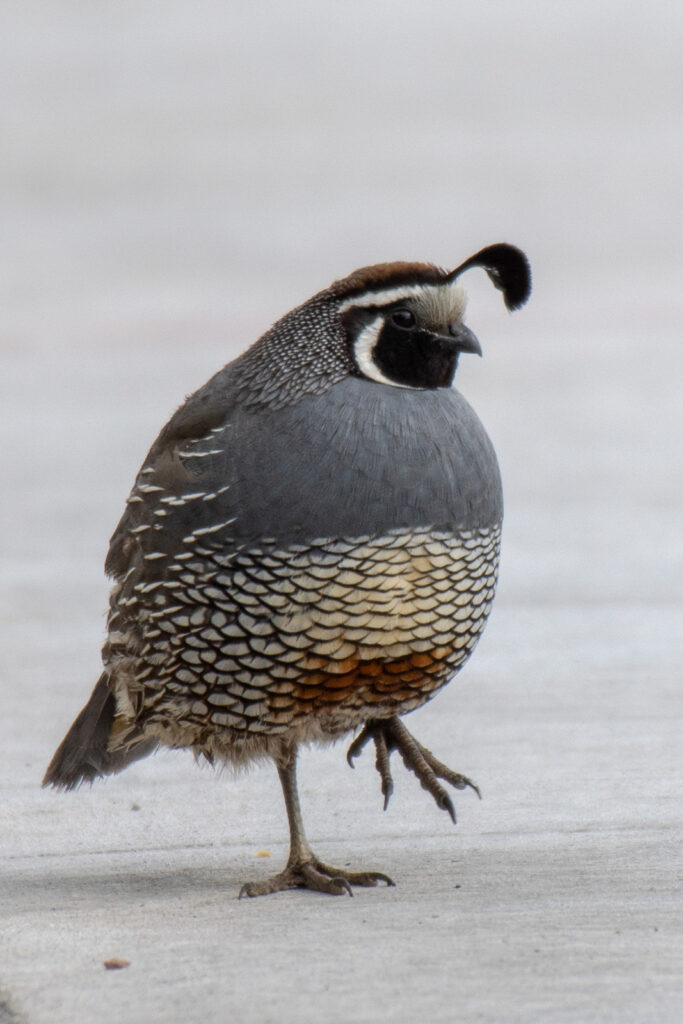
 May 2 — Fern Ridge National Wildlife Refuge: We will start our day bright and early by traveling about 20 minutes west of town to one of the best birding spots in Western Oregon. This area features 5,000 acres of varied wetland and grassland habitat. We will walk 3-4 miles on old grass paths over the course of the morning, encountering almost every freshwater duck species in North America along the way: Blue-winged, Cinnamon, and Green-winged Teals, Canvasback, Redhead, Ruddy Duck, and more. The refuge is home to a tremendous amount of other western birdlife, too: California Quail, Western Grebe, Virginia Rail, Sora, American Bittern, Black-necked Stilt, Long-billed Dowitcher, a few Tern species, large groups of American White Pelican, Northern Harrier, California Scrub-Jay, Western Wood-Pewee, Western Kingbird, Violet-green Swallow, Spotted Towhee, Western Bluebird, Yellow-breasted Chat, Acorn Woodpecker, and much more.
In the afternoon, we will continue on to the picturesque seaside town of Florence, with several must-see hotspots as well as a very cute and walkable downtown area. Hotspots include the South Jetty and several spots along the road to it, and the Port of Siuslaw Marina. Exploring these hotspots can bring us Cackling Goose, Western Grebe, Vaux’s Swift, Anna’s and Rufous Hummingbirds, Semipalmated Plover, Whimbrel, Short-billed Dowitcher, Wandering Tattler, Red Knot, Black Turnstone, Surfbird, Western Sandpiper, Rhinoceros Auklet, Marbled Murrelet, Pigeon Guillemot, and many more. Overnight at Driftwood Shores, a 3 star hotel right on the seaside, where each room has a private patio or porch that overlooks the beach.
 May 3 Pacific Seacoast Birding: We will base out of Florence today and visit some beautiful and birdy destinations north of town along coastal Highway 101, including North Jetty, Heceta Head (home to the most photographed lighthouse in Oregon), and the Darlingtonia forested bog. The Oregon coast is full of dramatic views of rocky cliffs and famous sand dunes. We will take our time, stopping along the way to explore for species like Rufous Hummingbird, Western Gull, Violet-Green Swallow, Wrentit, Pacific Wren, Western Grebe, Black Oystercatcher, Whimbrel, and many more shorebirds and seabirds. Overnight at Driftwood Shores.
 May 4 Seacoast Birding towards Cannon Beach: We will head several hours north towards Cannon Beach today, leapfrogging yesterday’s explorations yesterday in order to access more northern hotspots with plenty of time and good tides. We’ll look for Black Turnstones along the craggy coast and American Dippers nesting along the streams emptying into the ocean. Sites like Depoe Bay and Yaquina Head offer some of the most reliable locations for spotting whales in Oregon. The entire seacoast highway has beautiful, dramatic, and birdy stops all along the way. We will let the birds, the weather, and our interests, guide the day. We will end the day at Cannon Beach, where we’ll seek out the Tufted Puffins nesting on the iconic Haystack Rock. Overnight at The Wayside Inn, Cannon Beach.
 May 5 — Cannon Beach to Portland and flights home. There are many evening flights out of Portland, so we will take our time birding on the way into Portland today, arriving in the city in the early afternoon in time for evening departures. There are many hotspots to explore near Portland, including the Bird Alliance of Oregon (Anna’s Hummingbird, Red-breasted Sapsucker, Stellar’s Jay, Chestnut-backed Chickadee, Black-headed Grosbeak), the Portland Japanese Botanical Gardens, and plenty of sightseeing opportunities. Portland is a large, bustling city with a rich variety of birds and people, and a great place to spend a couple extra days after our birding adventure!
All of our trips have a standard payment plan of an initial deposit plus two installment payments. Our office will reach out with an invoice for the two installments before it is due.
We understand that incidents and emergencies arise that may force you to cancel your trip. However, NBNC invests considerable time and often nonrefundable deposits to lodges and local contractors to secure our rooms and programming. NBNC aims to be as flexible as possible in our refund policy, but a full refund of your payments may not be possible after the dates indicated. All cancellations must be made in writing.
We advise travelers to purchase independent travel insurance through companies such as Allianz when booking a trip to recover reimbursement in the event of a cancellation that does not qualify for a refund as outlined in the policies above.